Animals of the World: A Designer's Embroidery Review
As a designer who has spent years turning digital files into tangible stitched goods, I approach every new bundle with a mix of excitement and skepticism. The market is flooded with Graphics that look great on a screen but fall apart under the needle. When I first opened the Animals of the World SVG Bundle, my immediate goal was to determine if these twenty designs could survive the transition from a computer monitor to a real-world embroidery project. This isn't just about cute pictures; it is about stitch integrity, fabric compatibility, and whether these assets can drive sales for a serious craft business.
First Impressions: Visual Personality and Layout
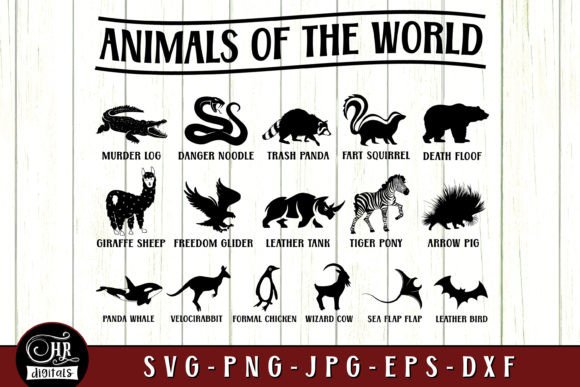
The moment you view the preview files for Animals of the World, the mood is unmistakably playful. These are not realistic wildlife portraits; they are stylized, humorous interpretations designed to carry funny animal names and humor sayings. For an Etsy seller or boutique owner looking to inject personality into their inventory, this visual style hits the mark immediately. The shapes are bold, and the layout suggests a design philosophy that prioritizes readability over microscopic detail.
From a technical standpoint, the line weights appear consistent, which is crucial when converting an SVG into a machine embroidery design. In my experience, thin lines often result in gaps in the fill stitch or breakage during stitching, especially on textured fabrics. Here, the outlines seem robust enough to hold up as a running stitch border or a dense satin edge. The humor element is the hook, but the structural integrity of the graphics is what will make or break the final finished product.
Testing the Design: A Real-World Scenario
To truly evaluate Animals of the World, I need to imagine a specific use case. Let’s say I am preparing a custom embroidered tote bag for a local craft fair. The client wants something that stands out but remains durable enough for daily grocery runs. I select one of the animal designs featuring a witty caption. My first step is always to visualize the hoop size. If the design is too large for a standard 5x7 hoop, I risk distorting the image or having to split the file, which ruins the flow of the artwork.
In this scenario, the design fits comfortably within a medium hoop. However, the real test comes when I consider the fabric. Tote bags are often made of heavy canvas. Heavy fabric requires a strong stabilizer to prevent puckering. With the bold nature of these animals, the stitch density might be higher than expected in the lettering areas. If the density is too high, the thread will pull the canvas, creating a dimpled look that screams "amateur." Conversely, if the density is too low, the design won't pop against the dark or patterned background of the bag. This is where the practical judgment of a designer comes in: I would likely run a test on scrap canvas first, adjusting the underlay settings to ensure the thread colors sit flat and vibrant.
Navigating Fabric Challenges and Placement
While Animals of the World looks promising, there are specific situations where caution is required. These designs, with their mix of text and illustration, are not ideal for every surface. For instance, placing them on stretchy fabrics like jersey knit sweatshirts requires careful planning. The tension of the machine combined with the elasticity of the fabric can warp the straight lines of the text. If you are doing sweatshirt embroidery, you must use a cutaway stabilizer and potentially reduce the overall tension of your machine to allow the fabric to breathe.
Another critical area is small items like caps or baby clothes. On a curved surface like a baseball cap, the text portion of these funny sayings might become difficult to read if the curve is too tight. Similarly, for baby embroidery, safety is paramount. You cannot have loose threads or sharp points from dense stitching. If the design includes tiny details in the animal's eyes or paws, those might get lost or cause snagging on delicate skin. I would recommend simplifying the smallest elements if using these on infant wear. Furthermore, on dark fabrics, the contrast becomes vital. Without proper underlay, light-colored thread might show through the black fabric, making the design look muddy rather than crisp.
Commercial Viability and Brand Consistency
For the small shop product creator, consistency is key. Can Animals of the World serve as a cohesive collection? Since the bundle contains 20 designs, there is potential to create a matching set of personalized gifts, such as a family apron set or a series of pillow covers. The humor aspect creates an emotional connection with the buyer, increasing the perceived value of the item. A customer is more likely to pay a premium for a handmade product that makes them laugh than for a generic floral motif.
However, before listing these on Etsy or selling at a craft fair, you must verify the licensing terms. Are these digital product sellers allowed to sell the finished physical goods? What about selling the digitized files themselves? As a professional, I never assume. Always check the license agreement included with the download. If the license restricts commercial use, investing time in production could lead to legal issues. Assuming the license permits it, these designs offer excellent brand consistency because they all share the same artistic voice.
Practical Designer Notes for Success
If you decide to move forward with Animals of the World, here are my essential recommendations for ensuring a professional result:
- Test on Scrap Fabric: Never skip this step. Stitch the design on the exact material you plan to use to check for puckering and alignment.
- Check Thread Contrast: Ensure the thread colors you choose stand out against the background. A dark grey thread on navy blue fabric will disappear.
- Review Stitch Density: If the software indicates high density in the text areas, manually reduce it to prevent fabric distortion.
- Use Proper Stabilizer: Match the stabilizer weight to the fabric. Heavy canvas needs tear-away or cutaway support, while lightweight linens may only need water-soluble film.
- Inspect Small Details: Zoom in on the mockups. If the text is smaller than 4mm in height, it may not stitch clearly and should be resized or simplified.
- Verify Licensing: Confirm that the commercial embroidery rights cover your intended business model, whether it is selling apparel or patches.
Final Verdict on Project Suitability
Ultimately, Animals of the World is a strong contender for designers who want to add humor and character to their portfolio. It works exceptionally well for tote bag design, kitchen towels, and decorative pillows where the fabric is stable and the viewing distance allows for the humor to land. It is less suitable for intricate, tiny applications or highly stretchy garments without significant modification.
For the creative entrepreneur looking to expand their catalog, this bundle offers a versatile starting point. By treating these design assets with the respect they deserve—testing thoroughly, choosing the right materials, and respecting the limits of the technology—you can transform these digital graphics into high-quality, sellable merchandise. The key is not just in the file itself, but in how skillfully you translate it into thread. With the right execution, these funny animal sayings can become the signature piece of your next holiday collection or a staple in your everyday shop offerings.