Leopard Apple Teacher: A Designer's Real-World Review
As someone who has spent years navigating the intersection of digital graphics and physical thread, I approach every new machine embroidery design with a specific set of questions. Does it translate from screen to fabric? Will it hold up under the stress of a washing machine? Most importantly, will it make a customer stop scrolling on Etsy or Instagram? Today, I am putting the Leopard Apple Teacher bundle through that exact lens. This isn't just about downloading an embroidery file; it is about understanding how this specific aesthetic fits into a real craft business.
First Impressions: Playful Personality Meets Practicality
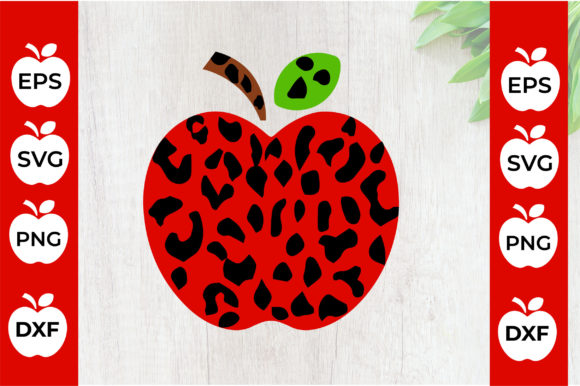
When you first open the preview for Leopard Apple Teacher, the mood is immediately established. It is whimsical, slightly rebellious, and undeniably fun. The combination of a classic apple motif—a universal symbol of education—with a bold leopard print pattern creates a visual tension that works in its favor. For a crafts enthusiast or a small shop product line targeting teachers, this design screams personality. It moves away from the generic "Happy Teachers" text and offers a graphic element that feels modern and trendy.
From a design perspective, the layout appears balanced. The shapes are distinct enough to suggest they will stitch out cleanly without excessive merging of elements. However, the leopard spots introduce a level of complexity. In Graphics, small details can sometimes get lost when converted to thread. My initial assessment is that this design relies heavily on the contrast between the fill patterns and the outlines. If the stitch density is too low, the spots might look muddy; if it is too high, the fabric could pucker. This is a critical observation before committing to any production run.
The Real Project: Custom Apparel and Tote Bags
To truly test the viability of Leopard Apple Teacher, let's imagine a real-life scenario. You are preparing a collection of custom tote bags and heavyweight sweatshirts for the upcoming back-to-school season. These are your flagship items for the fall, intended to be sold as personalized gifts for retiring educators or as promotional items for a boutique school supply shop.
Imagine stitching this design onto a sturdy canvas tote bag. The flat surface of the bag allows the fill stitch within the apple to sit evenly. The leopard print, likely executed with a dense satin stitch or a specialized fill pattern, would pop against the natural beige of the canvas. Customers buying these often want something that stands out in a sea of plain black or navy bags. The Leopard Animal Teacher theme provides that "cool factor" while remaining appropriate for a school setting.
Now, consider the sweatshirt embroidery application. Here, the challenge shifts. Sweatshirts have a looped texture that can interfere with fine details. If the Leopard Apple Teacher design includes tiny lettering or very thin lines separating the leopard spots, those details might get swallowed by the fabric pile. In this case, the design shines best when placed on the chest pocket area or the lower left hem where the fabric is flatter. Using a tear-away stabilizer is non-negotiable here to prevent the heavy thread weight from distorting the knit fabric over time.
Navigating Technical Challenges and Fabric Textures
While the visual appeal is strong, a professional designer knows that execution is everything. There are specific situations where Leopard Apple Teacher requires careful handling. First, consider the hoop size. Designs with complex patterns like animal prints often require a larger hoop to accommodate the necessary registration marks and to ensure the machine doesn't run out of space during the running stitch transitions between color changes. Always check the bounding box dimensions before hooping your project.
Fabric choice is equally critical. On dark fabrics, the leopard spots need to be bright and opaque to maintain their definition. If you are using a standard white thread on a black shirt, you may find that the underlying fabric shows through the gaps in the stitch density. This is where a backing layer or a top-stitch technique becomes essential. Conversely, on textured fabrics like denim or fleece, the intricate nature of the print might lose some of its sharpness. It is always wise to create a printable mockup or test stitch on a scrap piece of the actual fabric you intend to use.
Another consideration is the durability of the finished product. Items like aprons, pillow covers, and kitchen towels undergo frequent washing. The dense areas of the leopard print must be secured properly to prevent fraying or pulling after multiple cycles. If you are creating an embroidered patch version of this design, the edges need to be tightly bound to withstand the wear and tear of being ironed onto jackets or bags.
Business Value and Customer Perception
For the Etsy seller or creative entrepreneur, the value of Leopard Apple Teacher extends beyond the aesthetics. It speaks to a specific demographic: teachers who appreciate humor and style. By offering this design on high-quality custom apparel, you elevate the perceived value of your brand. It signals that you understand current trends and care about the presentation of your handmade product.
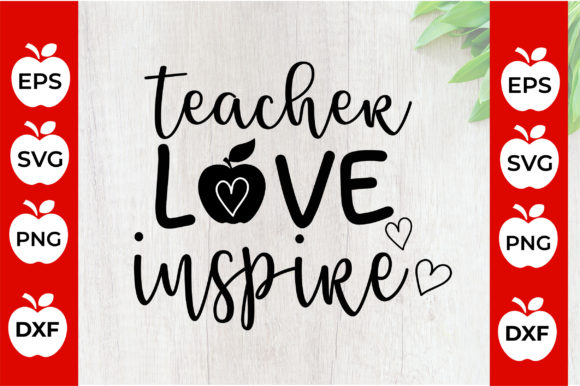
However, consistency is key. If you plan to sell these as part of a cohesive collection, ensure that the thread colors match your brand palette. A mismatched color scheme can make even the best design look amateurish. Additionally, consider the licensing terms included in your download. Since this is an Instant Download Files package containing SVG, PNG, EPS, and DXF formats, verify whether you are allowed to sell the finished embroidered items commercially. Many designers offer personal use only, which limits your ability to scale your craft business.
Practical Notes for the Professional Maker
- Test Stitch First: Never skip the test run on scrap fabric. Check for puckering, especially around the curved edges of the apple.
- Color Contrast: Ensure the leopard spots provide enough contrast against the background fabric. Use a darker outline if stitching on light fabrics.
- Stabilizer Selection: Use a cut-away stabilizer for stretchy knits like sweatshirts and a tear-away for wovens like tote bags.
- Licensing Check: Confirm the commercial rights for the digital embroidery file before listing items for sale.
- Mockups Matter: Create realistic printable mockups to show customers exactly how the design looks on different products.
In conclusion, Leopard Apple Teacher is a versatile asset for any embroidery project portfolio. It balances fun with functionality, making it ideal for holiday embroidery gifts, teacher appreciation weeks, and general commercial embroidery ventures. By paying attention to the technical nuances of stitch density, fabric texture, and proper stabilization, you can transform this digital graphic into a tangible, high-quality product that delights customers and strengthens your brand. Whether you are a hobbyist making a one-off gift or a business owner stocking your shop, this design offers a fresh take on a classic theme, provided you respect the mechanics of the machine behind it.