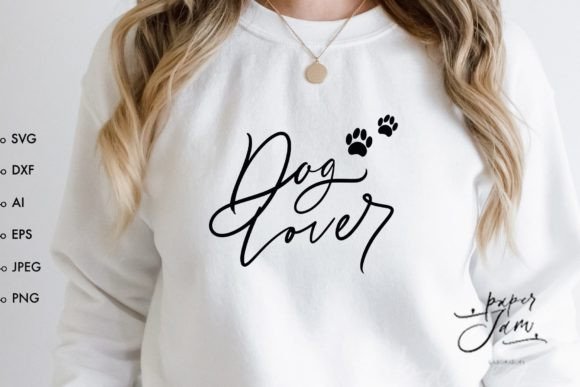
Dog Lover SVG for Dog Shirt: A Designer's Review
As a designer who has spent years navigating the intersection of digital graphics and physical thread, I approach every new asset with a critical eye. The market is flooded with generic files, but finding a piece that truly translates from a screen to a finished product requires careful evaluation. Today, I am reviewing the Dog Lover SVG for Dog Shirt. While the title suggests a specific application for apparel, my goal is to determine if this design holds up under the scrutiny of real-world embroidery projects, from boutique merchandise to personalized gifts.
First Impressions: Visual Weight and Character
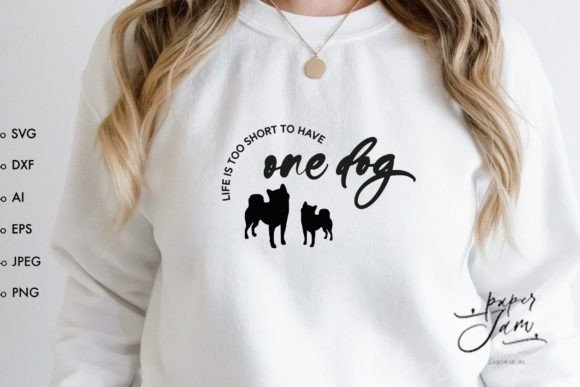
When I first opened the file to inspect the vector paths, the immediate impression was one of playful charm. The description highlights it as "funny and stylish," which aligns with the visual personality I observed. The shapes are bold, avoiding the overly intricate linework that often plagues designs intended for small-scale cutting or stitching. For an embroidery project, this is crucial. A design with too many tiny details can become a muddy mess once converted into a machine embroidery design, losing its definition in the thread density.
The layout feels balanced, making it a strong candidate for central placement on a garment. It carries a warm, inviting mood that resonates instantly with dog owners. However, the true test lies not in how it looks on a monitor, but in how it behaves when stitched onto fabric. Does it maintain its structural integrity? Does it offer enough negative space for the fill stitch to breathe without creating puckering? These are the questions that separate a hobbyist graphic from a professional-grade embroidery file.
Real-World Application: From Concept to Custom Apparel
Let’s imagine a practical scenario: a client wants a custom embroidered sweatshirt for their dog rescue organization. They need something that looks professional yet approachable. In this case, the Dog Lover SVG for Dog Shirt presents a compelling option. The bold lines would likely translate well into a satin stitch outline, providing a crisp edge that stands out against the heavy cotton blend of a sweatshirt.
I envision this design working exceptionally well on custom apparel like tote bags or aprons. On a canvas tote bag, the texture of the fabric adds a rustic touch that complements the friendly nature of the graphic. If you were to use this for a tote bag design, the flat surface allows for precise hoop placement, ensuring the stitching remains even. Alternatively, consider a baby embroidery project, such as a onesie or a soft blanket. Here, the design’s simplicity becomes an asset, as there are no sharp points or tiny elements that could irritate sensitive skin.
For the Etsy seller or small shop product creator, versatility is key. This graphic fits naturally into holiday collections. Imagine a holiday embroidery run where this design is paired with seasonal colors—reds and greens for Christmas, or pastels for Easter. The adaptability of the shape allows for creative color blocking, enhancing the perceived value of the finished product.
Navigating Challenges: Where Caution is Required
Despite its strengths, the product description includes a vital warning: "Sometimes SVG designs when cutting them in a small size can be difficult." As an embroidery expert, I must emphasize that this caution applies equally to stitching. When scaling down the Dog Lover SVG for Dog Shirt for a cap or a small patch, the risk of detail loss increases significantly.
On curved surfaces like caps, the tension required to hold the fabric taut can distort complex shapes. If the design contains tight curves or very thin lines, they may merge together during the stitching process, creating a blob rather than a distinct image. Similarly, on textured fabrics like fleece or thick denim, the needle penetration depth varies, which can affect the clarity of the stitch density. In these situations, I recommend simplifying the design further or opting for a larger hoop size to accommodate the necessary detail.
Another consideration is the fabric weight. On thin, stretchy materials like jersey knit, a dense fill stitch area can cause the fabric to pucker, ruining the drape of the shirt. To mitigate this, using the correct stabilizer is non-negotiable. A cutaway stabilizer might be necessary for heavier garments, while a tear-away could suffice for stiffer materials. Always remember that the success of the embroidered patch or direct-to-garment application depends heavily on the foundation you prepare.
Practical Designer Notes for Professional Results
Before committing to a large production run, always test the design on scrap fabric. This simple step can save hours of rework. Check the thread colors against your chosen background; a design that pops on white might disappear on black. I suggest testing it in black and white mockups first to evaluate contrast and silhouette before investing in expensive threads.
Review the stitch count and density carefully. If the file does not provide these details, you will need to digitize it yourself or have a professional do so. Ensure that the running stitch areas are not too sparse, which could lead to gaps, nor too dense, which could cause breakage. Confirm the hoop size matches your machine’s capabilities and the area available on your garment.
For those selling commercial embroidery products, verify the licensing terms of the Dog Lover SVG for Dog Shirt. Just because it is an SVG file does not mean it is free for commercial use. Many designers sell the file for personal use only, requiring a separate license for digital product sellers who wish to resell the finished items or the digital embroidery file itself. Protect your craft business by understanding these legalities upfront.
Final Verdict on Design Value
In conclusion, the Dog Lover SVG for Dog Shirt offers a solid foundation for a variety of Crafts and Graphics projects. Its friendly aesthetic and relatively clean lines make it suitable for personalized gift creation and small batch production. However, its success relies on the designer’s ability to scale it appropriately and choose the right materials. By respecting the limitations of small sizes and textured fabrics, you can transform this digital asset into a high-quality, tangible product that customers will love. Whether it ends up on a sweatshirt, a pillow cover, or a nursery decor item, the potential for a beautiful result is there, provided you approach it with the care and expertise it deserves.