Cute Seal Black and White Illustrations Review
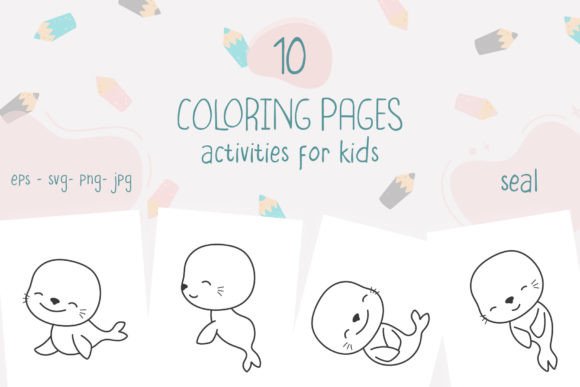
As a designer who spends more time staring at stitch simulations than actual fabric, I approach every new asset with a critical eye. When Cute Seal Black and White Illustrations landed in my inbox, the metadata immediately flagged it as a set intended for children's coloring books and KDP projects. However, the visual potential of these ten funny seal illustrations sparked an immediate idea: could this Graphics pack be adapted into a high-value machine embroidery design? The answer is yes, but only if you understand how to translate flat line art into textured thread.
First Impressions: From Coloring Page to Stitched Art
The initial mood of Cute Seal Black and White Illustrations is undeniably playful and whimsical. These are not realistic anatomical studies; they are stylized, cartoonish characters with exaggerated expressions. For an embroidery project, this style is a double-edged sword. On one hand, the bold outlines and simplified shapes are forgiving. They do not require the microscopic detail that often fails on fabric. On the other hand, the "coloring book" aesthetic relies heavily on clean lines, which can look stark if converted directly to a single-color satin stitch without careful consideration of stitch density.
I found myself mentally mapping these seals onto various substrates. The rounded bodies and flippers suggest a natural flow for fill stitches, while the facial features—eyes, noses, and mouths—are perfect candidates for small satin stitches or running stitches to add definition. The black and white nature of the source file means you have total creative freedom over your thread colors. You aren't locked into a specific palette, allowing you to match current trends or brand guidelines effortlessly.
A Real-World Scenario: The Custom Baby Onesie Project
Let’s talk about a real-life application. Imagine you are preparing a custom order for a boutique client who wants a gender-neutral baby gift. You decide to use one of the seals from Cute Seal Black and White Illustrations for a onesie. In this scenario, the simplicity of the design becomes its greatest asset. A complex, photorealistic seal would struggle on the stretchy knit of a onesie, likely causing puckering or registration issues.
However, this cute illustration, with its chunky lines, translates beautifully. I envision using a soft pastel blue or mint green for the body fill and a contrasting navy for the outline. The "funny" expression of the seal adds a personality that parents love. It transforms a basic garment into a personalized gift that feels handmade and thoughtful. The key here is the scale. Because the original is a digital graphic, you must ensure the final embroidery file is sized correctly. Too small, and the eyes might disappear into the weave of the fabric; too large, and the proportions might distort on the curved surface of the chest.
Navigating Fabric Challenges and Hoop Constraints
While the design is versatile, it is not without its pitfalls. As an experienced embroiderer, I always advise testing any new design on scrap fabric first. With Cute Seal Black and White Illustrations, the primary concern is the contrast between the black outlines and the background fabric. If you are working with dark fabrics, such as a charcoal sweatshirt or a navy tote bag, the black lines will vanish. You would need to adapt the design by adding a light-colored underlay or changing the outline color entirely.
Furthermore, consider the texture of your material. On a thick, textured fleece, fine details like the tiny whiskers or subtle shading in the seal's fur might get lost. This is where understanding fill stitch patterns comes into play. You may need to increase the density slightly to ensure the image pops against the nap of the fabric. Conversely, on thin cotton or linen, such as a kitchen towel or apron, the design should sit well, provided you use the correct stabilizer. Without adequate backing, the tension from the stitching could warp the delicate fibers, ruining the professional finish of your finished product.
Where Caution Is Required
- Small Hoop Sizes: Some of the smaller seals in the set might be tempting for cap patches or hat embroidery. Be wary; the facial features could become indistinct if scaled down too aggressively.
- Stretchy Fabrics: While great for baby clothes, always test on a swatch. The pull of the needle can distort the round shape of the seal if the stabilizer isn't robust enough.
- Detailed Corners: The flippers and tails have curves that can sometimes result in jagged edges if the digitizing isn't smooth. Inspect the corners closely before committing to a full run.
- Frequent Washing: If creating items like tea towels or washable blankets, ensure the thread type is durable. High-density areas might pill over time if the stitch density is too aggressive for the fabric weight.
Commercial Viability for Craft Businesses
For the Etsy seller or small shop owner, Cute Seal Black and White Illustrations offers a unique opportunity to stand out. Most animal designs are either hyper-realistic or overly generic. These funny seals have a distinct character that appeals to the "quirky" market segment. Whether you are selling custom apparel, embroidered patches, or home decor like pillow covers, the design adds a layer of charm that increases perceived value.
However, remember the licensing. The product description mentions these are perfect for coloring books for sale on KDP. Before using them for commercial embroidery projects—such as selling finished tote bags or sweatshirts—you must verify the license terms. Ensure you have the right to use these design assets for physical goods. Many digital products restrict commercial use of the final stitched item unless a specific commercial license is purchased. Do not risk your business reputation by assuming rights that aren't explicitly granted.
Practical Designer Notes for Success
To get the best results from this set, treat it as a flexible starting point rather than a rigid template. Here are my top recommendations for integrating Cute Seal Black and White Illustrations into your workflow:
- Test on Scrap Fabric: Always run a test on the exact fabric you plan to use. Check for puckering, thread breaks, and alignment.
- Check Thread Contrast: Since the source is black and white, experiment with different color combinations. A bright orange seal on a grey hoodie might sell better than a traditional black one.
- Review Stitch Density: Adjust the density settings based on the fabric thickness. Lighter fabrics need less dense fills to prevent stiffness.
- Confirm Hoop Size: Measure your hoop carefully. Ensure the design fits comfortably without stretching the fabric tautly, which can cause distortion.
- Inspect Small Details: Zoom in on the eyes and mouth. If they are too small, simplify them or remove them to maintain clarity.
- Use Proper Stabilizer: Don't skimp on backing. A good tear-away or cut-away stabilizer is essential for maintaining the shape of the seal.
- Verify Licensing: Double-check the terms for commercial embroidery before listing items for sale.
In conclusion, Cute Seal Black and White Illustrations is a delightful addition to a designer's library, provided you respect the transition from digital Coloring Pages Amp to physical thread. With the right adjustments, these funny seals can become the star of your next holiday embroidery collection, a beloved element on baby garments, or a signature motif for your craft business. The key lies in your execution: choose your materials wisely, test thoroughly, and let the playful spirit of the design shine through your craftsmanship.