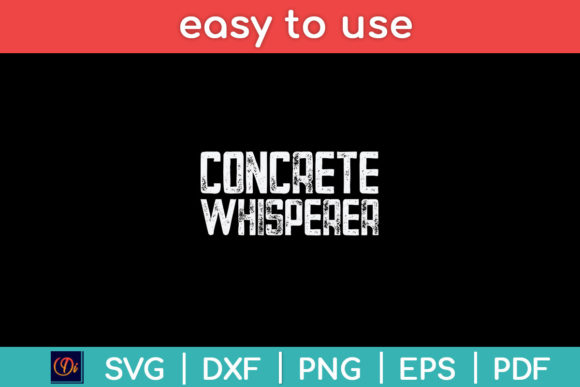
Concrete Whisperer Funny Concrete Worker Design Review
As a designer who has spent years translating digital files into tangible stitched goods, I approach every new asset with a critical eye. The market is flooded with generic graphics, but finding a piece that balances humor with technical viability for embroidery is a rare find. Today, I am putting the Concrete Whisperer Funny Concrete Worker design through its paces. While this specific file is marketed as an SVG print and cut file compatible with Cricut and Silhouette machines, my goal here is to evaluate its potential if adapted or interpreted for a machine embroidery design workflow. Whether you are an Etsy seller looking to expand your catalog or a hobbyist creating personalized gifts, understanding the structural integrity of a graphic before committing to thread is essential.
First Impressions: Visual Weight and Theme
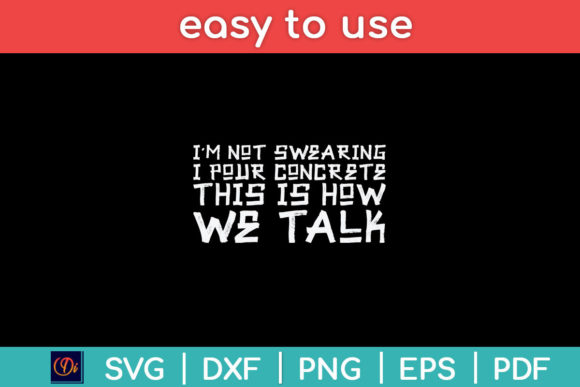
At first glance, the Concrete Whisperer Funny Concrete Worker concept immediately signals a niche appeal. It taps into the blue-collar pride often associated with construction trades, blending it with a touch of whimsical self-deprecation. For a craft business targeting contractors, DIY enthusiasts, or family members of workers, this theme is gold. However, in the world of embroidery, humor must be legible. The layout needs to ensure that the text "Concrete Whisperer" does not get lost against the visual elements of the worker figure.
The mood created by this design is confident and lighthearted. When considering how this translates from a flat digital graphic to a three-dimensional textile application, the key lies in the line weight. If the original vector lines are too thin, they will vanish under the pressure of a satin stitch or fill stitch. A successful adaptation requires bold outlines that can withstand the density of thread without blurring. This is where the distinction between a simple print cut file and a robust machine embroidery design becomes critical. You cannot simply trace an SVG; you must re-engineer the paths for needle movement.
Real-World Application: From File to Finished Product
Let's imagine a real-life scenario: I am preparing a custom embroidered tote bag for a client who works in concrete pouring. They want something durable yet fun for their daily gear. If I were to adapt the Concrete Whisperer Funny Concrete Worker for this project, I would focus on the placement and fabric choice. Tote bags are typically made of canvas, which offers a stable surface for embroidery, but the texture can sometimes interfere with fine details.
In this context, the design serves as a statement piece. Placed centrally on the front of a heavy-duty canvas tote, the graphic acts as a conversation starter. The challenge here is ensuring the stitch density is high enough to cover the dark threads of the canvas if using a light background, or vice versa. If the design includes small lettering, such as the word "Whisperer," I would need to increase the font size significantly during the digitization process. Tiny text on a moving fabric like a tote bag often results in tangled threads or illegible words after just a few washes.
Another viable use case is a sweatshirt embroidery project. Sweatshirts provide a softer, more forgiving surface than canvas, but the looped pile of the fleece can hide the edges of the stitching. For the Concrete Whisperer Funny Concrete Worker to pop on a sweatshirt, the use of a strong stabilizer is non-negotiable. Without proper backing, the fabric might pucker around the dense areas of the design, ruining the professional look of the finished product. This is particularly important for small shop products where quality control directly impacts customer trust and repeat business.
Navigating Technical Challenges
There are specific situations where this design requires careful handling. First, consider small hoop sizes. If the full illustration and text do not fit within a standard 4x4 inch hoop, breaking the design into sections introduces registration issues. Misaligned segments can make the "Funny Concrete Worker" look disjointed rather than cohesive. Second, textured fabrics like denim or heavy wool can distort the perception of the graphic. The raised nature of the stitches combined with the fabric weave might obscure the finer details of the worker's tools or expression.
Curved surfaces present another hurdle. Attempting to embroider this design on a cap or a cylindrical mug sleeve (if using heat transfer vinyl based on the SVG) requires significant adjustment. On a curved surface, the straight lines of the text may appear warped. For a true machine embroidery design on a cap, the lettering would need to be arched specifically to match the crown of the hat. If you are selling these as commercial embroidery projects, failing to account for these curves can lead to returns and negative reviews.
Impact on Brand and Buyer Engagement
For an Etsy seller or a creative entrepreneur, the visual appeal of your Graphics dictates the perceived value of your handmade product. The Concrete Whisperer Funny Concrete Worker has the potential to become a signature item for a brand focused on trade-specific apparel. When customers see a well-executed version of this design, they perceive professionalism. The clarity of the stitching, the vibrant thread colors, and the lack of puckering all contribute to the idea that this is a premium, personalized gift.
However, if the execution is poor—say, the thread breaks frequently due to improper tension or the design is too dense for the fabric—the buyer engagement drops. Customers buying holiday embroidery items or wedding gifts expect perfection. They want a design that looks good in person, not just in a printable mockup. This is why testing the design on scrap fabric first is a mandatory step. You must verify that the contrast between the thread colors and the fabric background is sufficient for readability. A black design on a dark navy shirt might look great on a screen but disappear once stitched.
Practical Designer Notes for Success
If you decide to bring the Concrete Whisperer Funny Concrete Worker into your portfolio of design assets, follow these practical steps to ensure success:
- Test on Scrap Fabric: Never skip this step. Run the design on a swatch of the actual fabric you intend to use. Check for puckering, skipped stitches, and thread breakage.
- Review Stitch Density: Ensure the fill stitch is not too tight, which can harden the fabric, or too loose, which allows the background to show through.
- Confirm Hoop Size: Measure the bounding box of the design. If it exceeds your hoop capacity, plan for multi-hoop stitching or resize the artwork.
- Inspect Small Details: Zoom in on the smallest elements of the worker figure. If a detail is smaller than 0.5mm, it will likely fail in embroidery and should be simplified.
- Use Proper Stabilizer: For stretchy fabrics or thick materials like sweatshirts, use a tear-away or cut-away stabilizer appropriate for the fiber content.
- Check Licensing: Since this is originally an SVG file, confirm the license terms before selling finished items or digital products. Some licenses restrict commercial use or require attribution.
- Compare Backgrounds: Test the design on both light and dark fabric backgrounds to determine the best thread color combinations for maximum visibility.
In conclusion, the Concrete Whisperer Funny Concrete Worker is a promising candidate for a range of crafts, provided you treat it with the technical respect it deserves. Whether you are creating a baby embroidery set for a future builder, a holiday gift for a contractor, or a staple for your boutique branding, the transition from digital file to physical reality requires skill. By focusing on stitch quality, fabric compatibility, and clear visual communication, you can turn this funny graphic into a high-value, cherished item that stands out in a crowded market. Remember, the difference between a good design and a great one often lies in the details you choose to refine before the needle even hits the fabric.